As a former special education and early childhood teacher, and now as a mother, I have spent years watching children learn. What continues to strike me is how rare it has become for kids to have unstructured, hands-on, open-ended time. We live in a world that moves faster every day. Information is available instantly, tasks can be completed at the push of a button, and convenience wins over curiosity. Yet the kind of learning that lasts, the kind that builds thinkers, creators, and problem-solvers, takes time. It requires space for exploration, for mistakes, for connection.
When I first became a mother, I thought I would resist the pressure to overschedule my children. I wanted to give them time to simply be, to play, imagine, and discover without a calendar full of commitments. But as they began formal schooling, I quickly realized how little of that kind of learning was actually happening in the classroom. Even in our wonderful district, with its dedicated teachers and strong resources, I found that the focus of school had shifted. Or perhaps it had simply not evolved to follow the research, to follow the instincts and expertise of teachers. To ensure there was time for play and discovery. Early in this school year, my six-year old came home excitedly and said, “Mom, if I don’t finish my work this year I don’t miss center time!” This sounded great to me, knowing how hard it was for him to keep up last year. Until he went on, “there is no center time in first grade!” Heartbreak. The twenty minutes of choice time he most looked forward to in Kindergarten wasn’t there at all by first grade.
Schools are often tasked with doing more than ever before, but the structure of the day still leaves little room for open-ended exploration. Learning has become increasingly standardized, with emphasis placed on efficiency, measurable outcomes, and the “right” answer. Children spend hours seated at desks, working through tasks designed to assess what they know, rather than to discover what they might wonder. Creativity, imagination, and flexibility, once considered essential parts of early learning, are often treated as luxuries, rather than necessities.
As both an educator and a parent, that realization was difficult. I began to see that if my children were to experience the kind of deep, meaningful learning I value, it would have to happen outside of the classroom. That meant intentionally seeking opportunities that nurtured creativity and curiosity, through art, music, nature, and unstructured play. It meant saying yes to messy projects and long afternoons with no agenda. It meant giving them the time and space to make mistakes, to get frustrated, to solve problems in their own ways.
The more I leaned into this, the more I saw its importance. Children need experiences that challenge them to think, to adapt, to make connections. They need opportunities that are open-ended, where there is no single path, no predetermined outcome, and no pressure to get it “right.” These experiences are where the richest learning happens. They teach patience, persistence, and confidence. They teach children to tolerate discomfort, to embrace uncertainty, and to trust their instincts.
It is tempting, in today’s world, to fill every moment with structured enrichment or measurable progress. Parents want their children to succeed, and schools are under constant pressure to demonstrate results. But in the process, we risk losing something essential: the joy of discovery. Play is not a break from learning. It is learning. When children experiment, build, imagine, and create, they are developing the cognitive, social, and emotional skills that will serve them for life.
When we let children play, we are not being indulgent. We are allowing them to learn in the most natural and powerful way possible. We are giving them time to connect ideas, to observe the world, to take risks, and to recover when things do not go as planned. We are helping them become flexible thinkers and people who can navigate ambiguity, adapt to change, and find their own way forward.
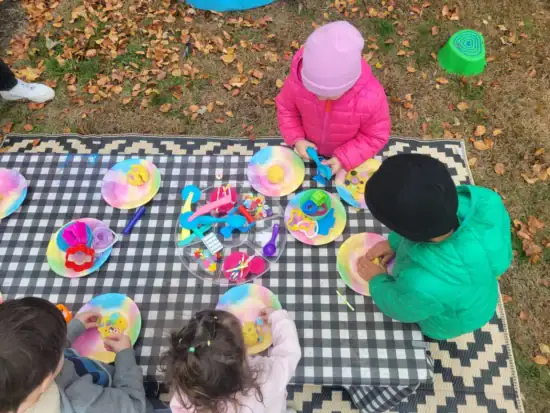
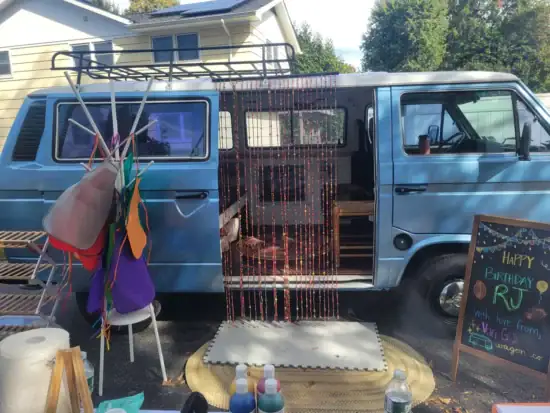
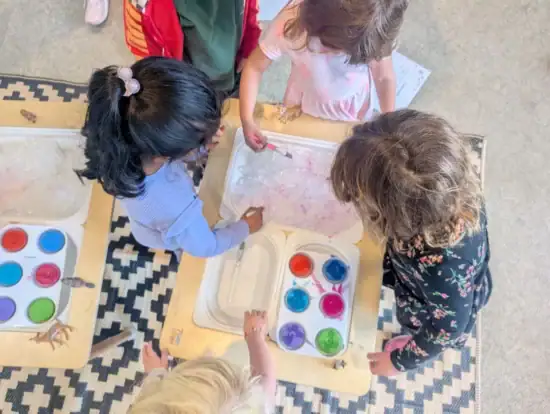
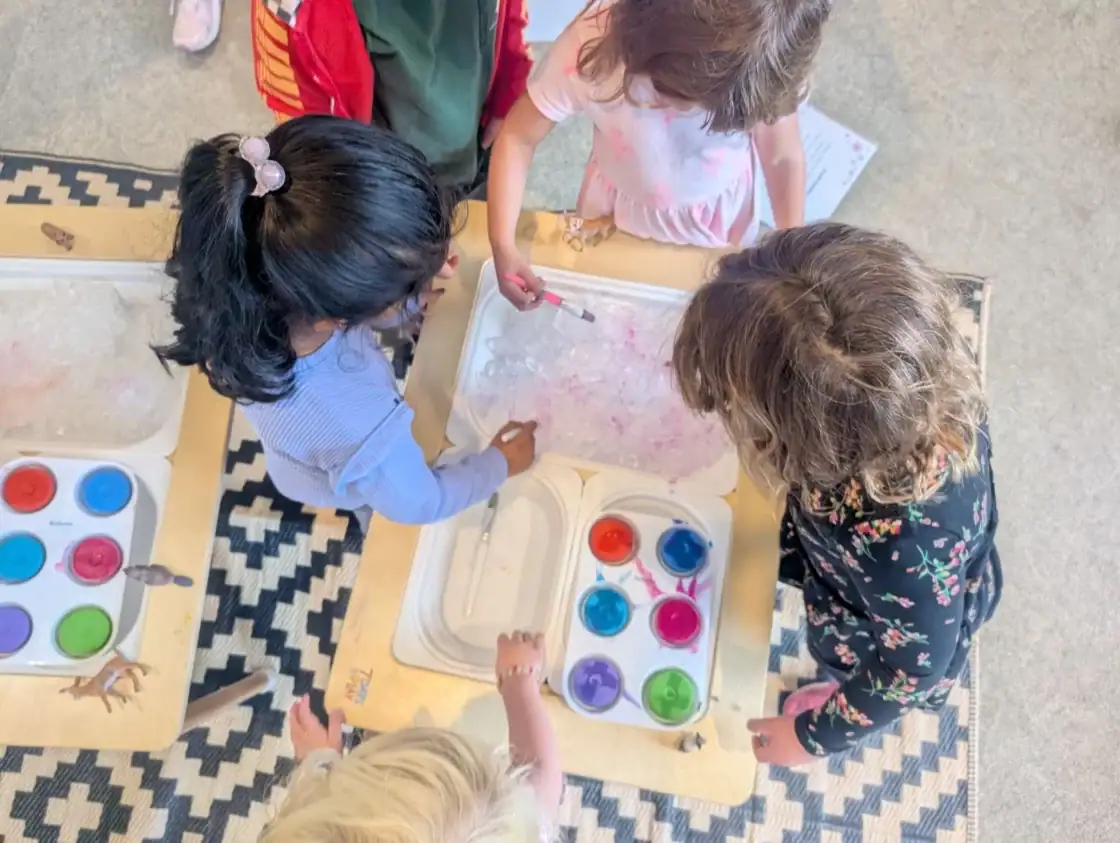
At Van-Go Wagon Co., this belief is at the heart of what we do. Our mobile creative spaces are designed to give children the freedom to imagine and explore. Whether it’s painting, building, crafting, or creating with natural materials, each experience invites them to slow down, to use their hands, and to see where curiosity leads. There are no wrong answers, no step-by-step directions, just the opportunity to create for the sake of discovery.
As parents and educators, our challenge is not simply to prepare children for the next grade level or the next test. It is to prepare them for life. And life does not come with answer keys or rubrics. It requires creativity, collaboration, and resilience. These are the qualities that begin to grow when we step back and give children the freedom to explore, to question, and to create.
So let them play. Let them make things. Let them build, imagine, and discover. Give them time to think and space to breathe. The world will not slow down, but we can choose to make room for what truly matters. That is where learning begins and it is what we hope to nurture every time a child steps into a Van-Go Wagon Co. space.